Kind of a BIG Deal – S02E03 – Neil Mackinnon

“I don’t know how to put this…but I’m kind of a big deal.” – Ron Burgundy

In each episode of Kind of a Big Deal you can listen to an exclusive and intimate conversation between our Features Editor and the kind of big deal folk our world-class arts scene attracts – writers, performers, movers and shakers.

Listen again to Kind of a BIG Deal S02E02 ft. Dr Angela Bartie, historian and author of The Edinburgh Festivals: Culture and Society in Post-war Britain HERE.


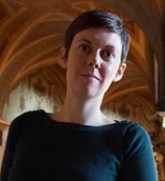
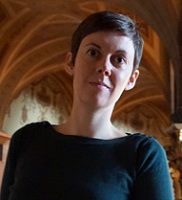
This week’s conversation is between Dan Lentell and the Head of External Affairs at the Edinburgh Festival Fringe Society

NEIL MACKINNON

Image credit - Dan Lentell

“Any writer or artist that has something to say should have a space here where they can say it.”

The Edinburgh Festival Fringe Society is the organisation that underpins the Edinburgh Festival Fringe. Its core value is to promote the Fringe as an open-access arts event – meaning that anyone with a story to tell and a venue willing to host them should be able to perform, with no one person or committee curating the overall programme. The society was formalised in 1958, to support the growing number of performers who came to Edinburgh, who weren’t included in the programme of the Edinburgh International Festival. Among other roles, it provides information to artists, publishes the Fringe programme and operates a central box office.

In this interview Neil discusses some of the history of the Fringe and the journey of the Society over the last 60 years, from audience protests to the changes in ticketing processes as technology becomes more advanced. He also shares his thoughts on the changing landscape of the arts in relation to politics, and just what he does after the festival finishes each year…

Dan Lentell talks to Neil Mackinnon


The jingle is used with the gracious permission of Moving On Theatre’s Laurene Hope Omedal (star of Piaf: Love Conquers All) and is voiced by Edinburgh Nights host Ewan Spence.

This season of Kind of BIG Deal interviews is supported by the good people at the superb Cult Espresso – the coffee lover’s Southside choice.


PLEASE NOTE! If you are subscribed to Edinburgh49‘s emailing list, you may not see embedded audio links in your email alert, but they are on the website. (Promise!)

“We look for great contributors who tell us what we don’t already know.” – Cheryl Robson discusses Subversive Scene

“Once it reaches a tipping point where a lot of people join in or support it, then it has the power to be truly counter-cultural and lead to change.”

Cheryl Robson is a writer, editor, producer and publisher. Born in Sydney Australia, Cheryl has lived in the UK, France and Singapore, always liking to change things wherever she goes. During the late 80s and 90s she was one of the main players behind The Women’s Theatre Workshop. WTW staged several full-length plays, dozens of performances and delivered hundreds of workshops on writing and directing. In 1995 – in association with The New Playwrights’ Trust and the Directors’ Guild – Cheryl helped establish the first mentoring program for women writers and directors in the UK.

As well as having founded Aurora Metro – which publishers authors ranging from Rudyard Kipling to Benjamin Zephaniah – Cheryl established the Virginia Prize in 2009. Named in honour of Virginia Woolf, the prize encourages and promotes new writing by women.

Cheryl’s latest project is as co-editor of Subversive Scene: Counter-Culture UK – a celebration. Currently undergoing a Kickstarter campaign, this one-stop guide promises a unique look at the diversity of sub-cultures which have emerged in the UK since the war. an integrated movement. Participants will include DJs, graffiti artists, musicians, writers, poets, fans, and protesters. Contributors will examine the arts, isms, access, representation, as well as the world-shaping impact of counter-cultures.

You can track Cheryl’s progress at supernovabooks.co.uk


What’s your definition of counter-culture?

I think it means any group of people, of any age, who get together because they share common attitudes which are different in some way to the beliefs and values of the mainstream.

Does the value of counter-culture exist solely in its capacity to counter something else, more established?

Often it can simply be innovative or fun like ‘The Twist’ became a dance craze, or have its roots in a particular community seeking expression in its own way, such as hiphop. Once it reaches a tipping point where a lot of people join in or support it, then it has the power to be truly counter-cultural and lead to change.

How do counter-cultures emerge and die?

They emerge when individuals feel drawn to each other to do something together eg. skateboarding or graffiti art or protesting such as the Occupy movement. When the group or its  followers reach a critical mass, they become a new community which can be identified by the  media in some way. Sometimes they demand social change such as Gay Lib, Feminism or most recently the Anti-Fracking groups.

Sometimes they voice their criticism of the status quo without any real agenda for change and so without leadership or real goals, the energy burns out. Sometimes the followers of a new group create a new market of some kind such as the market for R & B records, or the market for punk-styled clothing or the market for computer games. Once the group achieves mainstream popularity or success, its adherents may eventually lose interest. If the trend is absorbed by the mainstream, its power to change society may slowly dissipate unless it is revitalised by a new generation or new leadership.

Subversive Scene is scheduled to feature chapters by activists, a spiritual healer, academics, producers and a stand-up. As an editor, how do you even begin to weave such potentially disparate threads into a comprehensible narrative?

The time span of the book means that each chapter covers the changes in society since the post-war years, with each writer describing the main changes which have occurred in a particular genre, movement or field. This is the unifying concept of the book and it provides insight into how the impetus for change can come from different sources simultaneously.

How did you go about selecting your authors?

We advertised on a number of websites and in newsletters and Facebook. It quickly became apparent which writers aligned with our aims for the book.

You’ve a list of publications as long as Mr. Tickle’s arms, what makes the Subversive Scene project special?

It’s inspirational to read about all the artists who found new ways to express what people were feeling about their lives, or the activists who marched or protested or lobbied governments for years to get things changed. And we see changes happening all the time. One recent example is that the Irish people have just voted in favour of same-sex marriage.


Why aren’t you writing the ninth chapter (on publishing)?

We look for great contributors who tell us what we don’t already know. The chapter on Underground publishing has been written by Ben Graham who is far more knowledgeable than I am about the history and range of incredible ventures in the publishing world.

Would it be unfair to say there is a political current running through much of your work? What’s its source? Is it unvarying, or have there been events, personalities and moments which have altered its course and force?

We like writers with something original or provocative to say and sometimes this goes against the mainstream political view such as Carole Hayman’s satire of Tony Blair’s government Hard Choices. It was deemed almost sacrilegious to be critical of New Labour in the early days. With projects like The Arab-Israeli Cookbook we took a fresh perspective on those troubled events, which has since been much copied. The book was awarded Best Innovative Foodbook UK and a Special Jury Prize for Peace from Gourmand World Cookbooks, and as far as we know, gave cultural equity to both Arabs and Jews in one book, for the first time.

Subversive Scene is billed as a celebration. Can a celebration also be critical?

The aim of the book is to bring all the disparate elements together to remind people that counter-cultures have many forms and often very humble beginnings such as Gay Liberation starting in a basement at LSE with 17 people present. From those tiny acorns mighty oaks can grow…

What should be playing on the stereo when we’re reading Subversive Scene?

What would be your choice? There are so many great tracks to choose from. Check out the video on our Kickstarter campaign here to hear one of our faves: http://kck.st/1LDjf92


KNOW OF AN ARTS PROJECT WE SHOULD SPOTLIGHT? GET IN TOUCH!

49 +3 Twitter Accounts You Should Follow This Fringe

twitter

*Contents accurate(ish) at time of publication. If you are the account holder and would like your details updated please contact us.


  1. Edinburgh Fringe  – @edfringe – “Official Twitter feed for the Edinburgh Festival Fringe – the largest arts festival in the world. #edfringe 2015 runs 07 – 31 August.”
  1. edintfest – @edintfest – “Edinburgh International Festival. 3 weeks of the best music, theatre, dance & opera. 7-31 August 2015 #EdintFest Tweets usually from Nicola (^N) or Mathias (^M)”
  1. PBH’s Free Fringe – @TheFreeFringe – “The Free Fringe is an entirely voluntary organisation that stages free shows mainly during the Edinburgh Fringe. for more info go to http://freefringe.org.uk.”
  1. Free Fringe Festival – @freefringefest – “The Laughing Horse’s Free Edinburgh Fringe Festival. An annual Extravaganza of Comedy, Theatre, Music, Cabaret and much more in Edinburgh – all for free.”
  1. UoE Festivals @UoEFestivals – “Official updates from the University of Edinburgh Festivals Office. Festivals, filming locations or cultural events in Edinburgh and need a venue? Talk to us.”

VENUES

  1. Assembly – @AssemblyFest – “Follow us for the latest on #EdFringe 2015 & @YFarber‘s @NirbhayaThePlay on tour. Check out @AssemblyRoxy if you’re #HereAllYear in Edinburgh.”
  1. Assembly Roxy – @AssemblyRoxy – “A historic gem in the Old Town, now run year round by @assemblyfest for events, rehearsals and performances, weddings and corporate hires.”
  1. Assembly Rooms – @ARedinburgh – “Assembly Rooms is Edinburgh’s award-winning multi-purpose venue, reopened in 2012 after a £9.3m restoration. Enquiries: 0131 220 4348 | Owned by @Edinburgh_CC.”
  1. Bedlam Theatre – @bedlamtheatre – “Home to the Edinburgh University Theatre Company.”
  1. C venues – @Cvenues – “C venues is the leading venue for theatre, musicals, international and variety at the Edinburgh Festival Fringe.”
  1. Church Hill Theatre – @ChurchHillThtr – “The Church Hill Theatre is one of Scotland’s leading non-professional theatres, owned and managed by @Edinburgh_CC.”
  1. Coburg House @CoburgHouse – “Coburg House Art Studios houses a hub of creativity, which combines designer makers and fine artists with national and international profiles.”
  1. Dance Base – @DanceBase – “A National Centre for Dance in Edinburgh’s Grassmarket. Tweets from Comms.”
  1. Dynamic Earth – @ourdynamicearth – “Edinburgh’s Multi Award Winning 5* Visitor Centre, #Eventvenue & #Educationservice. The only centre in the UK dedicated to #PlanetEarth. Visit #dynamicearth.”
  1. Edinburgh Dungeon – @EdinDungeon – “The ultimate thrill-filled journey through Scotland’s murky past featuring live actors, special effects & two thrilling rides. Exciting, scary and bloody funny!”
  1. EUSA – @eusa – “The Official Edinburgh University Students’ Association (EUSA).” NB. Owner & operator (#HereAllYear) of Fringe venues incl. The Pleasance & Teviot Row House.
  1. Gigs – @BannermansBar – “Bannermans is a bar and venue located in the heart of historic Edinburgh. With live music six nights of the week, featuring the best in local, national and inte.” [sic]
  1. Gilded Balloon – @Gildedballoon – “A year-round comedy & theatre producer based in Edinburgh & one of the largest #edfringe venues, with over 100 shows in the 2014 Fringe!”
  1. Festival & King’s – @edtheatres – “DRAMA | MUSIC | DANCE | OPERA | COMEDY. Festival Theatre & King’s Theatre Edinburgh providing great entertainment at the heart of Scotland’s capital.”
  1. The Fine Art Society – @FAS_Edinburgh – “Specialists in Scottish art from the 17th century to the present. Based in Edinburgh’s New Town, we are part of The Fine Art Society London.”
  1. Just the Tonic – @Justthetonic – “‘Best Comedy Club in the country’ – Johnny Vegas. Nottingham’s original comedy club since 1994. Plus over 130 shows at #EdFringe2015.”
  1. Laughing Horse – @lhcomedy – “The Official Twitter of Laughing Horse Comedy Clubs. Follow for information on gigs, special offers for twitter, comedy gossip and general comedy chat.”
  1. THE LIQUIDROOM – @LIQUIDROOMS – “Edinburgh’s premier live music & club venue.”
  1. The Lyceum – @lyceumtheatre – “Theatre Made In Edinburgh.”
  1. National Galleries – @NatGalleriesSco – “National Galleries of Scotland is the Scottish National Gallery, the Gallery of Modern Art and the Portrait Gallery. Tweets from Adeline, Harris and Michael.”
  1. NLS – @natlibscot – “Home to over 15 million printed items, 7 million manuscripts, and over 2 million maps the National Library of Scotland is a treasure trove of information.”
  1. Paradise Green – @ParadiseGreenUK – “Tweets for Augustine’s and The Vault – Theatre at the Heart and Soul of the Edinburgh Fringe Festival.”
  1. The Queen’s Hall – @queens_hall – “Edinburgh’s leading live music venue. Tickets & Information 0131 668 2019 | http://www.thequeenshall.net  | http://www.facebook.com/queenshall.”
  1. RBGE – @TheBotanics – “Official tweets from the Royal Botanic Garden Edinburgh, Scotland.”
  1. RealMaryKingsClose – @MaryKingsClose – “Take a guided tour back in time deep below the Royal Mile – The Real Mary King’s Close makes Edinburgh’s hidden history unmissable.”
  1. RoyalHighlandCentre – @HighlandCentre – “The Royal Highland Centre (RHC) is Scotland’s largest indoor and outdoor event venue, from conferences to concerts and meetings to exhibitions.”
  1. ROSL – @rosl1910 – “Royal Over-Seas League; a not-for-profit members club, promoting international friendship & understanding through social, music, arts & humanitarian programmes.”
  1. The Royal Scots Club – @RoyalScotsClub – “Situated in one of Edinburgh’s finest Georgian streets, we offer that rare combination; the charm of a country house hotel with a cosy club atmosphere.”
  1. Scot Story Centre – @ScotStoryCentre – “A Home for Scotland’s Culture: Storytelling, theatre, trad arts, exhibitions & stirring workshops, Scottish International Storytelling Festival & @TradFestEd.”
  1. SMWS Queen Street – @SMWSQueenStreet – “The flagship venue of The Scotch Malt Whisky Society.”
  1. Sneaky Pete’s @sneakypetesclub – “Tweet all day party all night. We’re open and busy til 3am all the time.”
  1. theSpaceUK – @theSpaceUK – “Putting you at the heart of the Fringe.”
  1. Sportstersedinburgh – @SportstersEdin – “Sportsters is without a doubt the best sports bar in edinburgh to watch all your favourite sports, grab some food or get your drink on!”
  1. The Stand – @StandComedyClub – “Tweets from the country’s best comedy clubs. Situated in Edinburgh, Glasgow and Newcastle.”
  1. Summerhall – @Summerhallery – “Summerhall is a multi-arts venue presenting theatre, literature, visual art, music, film and performance.”
  1. Summerhall TV – @SummerhallTV – “Topical news and features on art in Scotland http://www.artinscotland.tv.”
  1. SummerhallVisualArts – @SummerhallArts – “Tweets purely about the visual arts programme @Summerhallery. Our exhibitions are open 11am-6pm.”
  1. Sweet Venues – @SweetVenues – “Boutique performer focused venues bringing the best in touring theatre to our Edfringe and Dundee audiences. #SweetDundee & #SweetGrassmarket programme online.”
  1. traversetheatre – @traversetheatre – “Founded in 1963, the Traverse is Scotland’s New Writing Theatre. We produce new plays and present the best work from Scotland, the UK and beyond.”
  1. Underbelly Edinburgh – @FollowTheCow – “Rocking Edinburgh with our Bovine magic! We run amazing venues at the Edinburgh Fringe, including Underbelly Cowgate, Underbelly Bristo Square and McEwan Hall.”
  1. Urbane Art Gallery – @UrbaneArt – “Offers a diverse and ever-changing selection of artworks by award-winning national and international artists in Edinburgh, Scotland.”
  1. Venue 40 – @Venue40 – “Edinburgh Festival Fringe Venue 40 – The Quaker Meeting House.”
  1. Voodoo Rooms – @voodoorooms – “The Voodoo Rooms is an award-winning bar, restaurant & function rooms located in Edinburgh’s city centre.”
  1. ZOO Venues – @ZOOvenues – “Outstanding Dance, Theatre, & Physical Theatre http://www.zoofestival.co.uk  // http://www.zoovenues.co.uk  // http://www.facebook.com/zoovenues.”


+3

Steve Griffin – @steveygriff – “Writer, actor, singer, and over-user of adjectives. Great at empathy, rubbish at sympathy.” – Edinburgh49 +3 Editor

Alan J R Brown – @AlanEdin – “Editor @EdinFortyNine arts review site. Retired teacher with aspirations to white burgundy cellar. To be found towed by beagle.” – Edinburgh49 #HereAllYear Editor

Dan Lentell – @DanLentell – “Edinburgh-based freelance writer. Est. @49Knights. Contributor to @EdinFortyNine, @EdNights & others. Man about town. Co-owner of one Lakeland Terrier.” – Edinburgh49 Features Editor

“A tapestry of viking myths” – Author Andrew Valkauskas discusses The Illuminated Edda

“All mythology is incredibly fascinating. It’s a lens on what makes humanity inherently human.”

If the scheduling for this article runs to plan, it’ll be published first thing on Monday. The name for the first day of the working week is derived from Moon Day in old English. If the scheduling doesn’t work out, the savage reader may have had to wait until Tuesday or Wednesday – days named for the deities Týr and Woden respectively.

The continuing influence of Norse mythology is all around us, but what is it, or rather where is it? The stories (allegorical and categorical) which make up the Abrahamic faiths are contained in their respective volumes of the Sacred Law. The inexact equivalent in Norse, or more specifically Icelandic, mythology are the Prose and Poetic Eddas. These legendary manuscripts are akin to the Viking bible. Written roughly 1000 years ago, they immortalize the culture and society of the Northmen.

Andrew Valkauskas has been studying Viking history and mythology for over 20 years. In 1993 Andrew published the first edition of Fate of the Norns – a line of viking fantasy role-playing games, the mechanics of which are deeply rooted in Viking mythology.

The Eddas have been constant his muse and inspiration. Now Andrew’s honouring them with a “pull-out-all-the-stops” new edition to sit alongside the print editions of (and supplements to) the Fate of the Norns series. The narrative will tell tales of the gods, the giants and many other wondrous beings who inhabit the world tree Yggdrasil – from the creation myths all the way to Ragnarok, the twilight of the gods.

You can track Andrew’s progress at https://www.kickstarter.com/projects/avalkauskas/the-illuminated-edda.


How would the original readership have encountered the material spun through the Eddas?

Well when these myths were fresh (c. 300-900 AD), they were passed down via oral tradition. Lineage was very important to the northmen, as the leaders of the major dynastic families claimed to have gods are the progenitors of their lineage. As a result, those in power wished to keep this lore alive and prevalent. The relationships between humans and gods were immortalized via songs and poems.

The poetic meter and structure is different between the Poetic Edda, and the poetry described in Snorri’s Prose Edda. The Poetic Edda uses simple structure, more akin to what a song would use. The Prose Edda has a much more elaborate style that uses kennings – using a figurative phrase instead of a simple word. It’s clear that both the oral and written traditions were shaped by the current social trends.

Although the tales were written down as the Eddas in 13th Century Iceland, they are much older. Just how far have their roots been traced back?

The oldest written versions come from the Codex Regius, a batch of manuscripts dated c. 13th century. More were discovered in subsequent centuries, and those have helped build up the body of work with unique works like the Rigsthula. It’s hard to say when an oral tradition may have started, one of the yardsticks that can be used is to trace back one of the dynastic families to their progenitor. The Yngling dynasty claims to have come from the god Frey. You have a vague succession of heirs which could be counted and then an estimate can be made. I have that number written down somewhere, but right now I cannot recall.

Were the stories intended as simple entertainments, or do they carry deeper lessons about what it is to be human?

Most mythologies are a reflection of human understanding, and our approach to viewing and managing the world around us. Through the use of allegory, these stories are meant to impart wisdom. One of the more in-your-face poems is the Havamal – which are the teachings of Odin. It covers social behaviour, friendship, folly and common sense.

What got you so interested in what a bunch of dead Vikings had to say?

I think all mythology is incredibly fascinating. It’s a lens on what makes humanity inherently human. For me, right after Viking myths come the Mesoamerican myths. But Viking myths are very special, because on top of the Eddas, you get a bunch of companion sagas written by Icelanders and Norwegians which are incredibly entertaining.

And these dead Vikings were quite an amazing peoples… sailing past the far reaches of any map… raiding and trading… creating amazing poetry… they were master negotiators and eventually settlers who birthed the next age. Unfortunately, contemporary media likes to simplify their accomplishments and pigeonhole them as barbarians with horned helmets.

Is the text already written?

Some of it is written, and I’m splitting my time between The Illimiated Edda and the next book called Lords of the Ash. They are meant to be companion books.

The project artwork looks sensational, will the text be equally grand? How can the competing needs of scholarly insight and dramatic tension be balanced?

That’s the million dollar question and the hardest part of the entire project. Going back 6 months when this project was in its concept stage, I cycled through the merits of several different approaches. One of the high impact decisions was to omit any Ragnarok game rules, mechanics and content from The Illuminated Edda. That decision allowed me to keep The Illuminated Edda a pure and authentic narrative piece, with all game content relating to the gods relegated to Lords of the Ash.

Another key impact decision was that the text would not take on a stuffy academic writing style, but rather I would opt for something more entertaining and accessible to a wider audience. The writing style I am trying to mimic is the prose created by Snorri Stuluson. It has a more modern flow, but I think it captures the essence of antiquity.

The last major decision was how to add evolved content. As many know, the Eddas contain ambiguities, contradictions, omissions and some really intriguing moments, places and events are glossed over leaving the reader longing for more. For 20 years I have been thinking about how the unspoken elements turn out; what the motivations may be behind the various actions of the gods and jotuns.

All of these thoughts needed to hit parchment, and after a long wait, 2015 is the year. I didn’t want to mix my sagas in with the original Edda content because I’d like this Illuminated Edda to be my go to Edda when I want to look up something authentic and specific. So the last major decision was to segregate the original content and the new content by compartmentalizing the respective narrative into chapters. This way readers who wish to get historical accuracy can read only the original content, and for those interested in a complete tapestry of viking myths can go through all of the chapters in order.

You’re already $11K passed your original Kickstarter target, and there are still a few days to go. How do you account for your success funding The Illuminated Edda project?

The Fate of the Norns brand and I are very fortunate to have many loyal and voracious fans. We’ve also worked very hard with our project teams to create books that we can be incredibly proud of. Every project is an attempt at making something better than the last one. Our artists, editors and layout designers are not only extremely talented, but are also very enthusiastic about the project and final outcome.

One of the project rewards offers one generous backer a hand-made Mjolnir (Thor’s hammer). How did you get your hands on that, and is there a thunder god who wants it back?

A good friend of mine made it and it follows us on our convention circuit. It’s the second one ever made, the first sold at a show rather unexpectedly. So this is hammer #2 and carries a history with our franchise.

Role-playing gamers will recognize the artwork style of The Illuminated Edda from your own massively popular The Fate of the Norns, now in it’s 4th edition. Who and what are your visual influences?

Back in 1993 we fell in love with the works of Arthur Rackham, and we included his artwork in the 1st edition of Fate of the Norns. Ever since, we’ve been very careful in selecting the artists we work with because we wish to keep a very traditionally antique feel in our books. You’ll notice that the text layout tries to mimic a story book and the paper we use is matte rather than the more popular gloss.

This is all by design so that the reader gets fully immersed in the experience. Anime, comic and hyper-realism are nice, but don’t fit The Fate of the Norns style. We look for highly unique styles that can transpose the viewer back a millennium or more. So far we’ve had some real talented superstars onboard.

The Fate of the Norns was first published in 1993, giving plenty of time for criticism and critiquing by others. How have you reacted to good (and negative) feedback over the years? How do you wish you should of / could have reacted, and what advice do you have for other artists putting themselves out there?

I very much love to hear back from the fans. I have a thick skin, and I know I can’t please everyone, so I really don’t mind negative criticism- so long as it’s constructive. If you look on our forums, when we were in BETA for the last book, Denizens of the North, we had received a lot of feedback.

As the manuscript matured, our fans recognized that their suggestions were making it into the book, making them feel like it was a truly collaborative effort and that voicing their good ideas help shape the future of the game. For Lords of the Ash, our BETA membership numbers are at the highest point ever, and I look forward to hearing from everyone.

What should be playing on the stereo when we’re reading The Illuminated Edda?

Wardruna 😉


KNOW OF AN ARTS PROJECT WE SHOULD SPOTLIGHT? GET IN TOUCH!

Kind of a BIG Deal – S02E02 – Dr. Angela Bartie

“I don’t know how to put this…but I’m kind of a big deal.” – Ron Burgundy

In each episode of Kind of a Big Deal you can listen to an exclusive & intimate conversation between our Features Editor and the kind of big deal folk our world-class arts scene attracts – writers, performers, movers and shakers.

Listen again to Kind of a BIG Deal S02E02 ft. Chris Breward, Edinburgh University’s Professor of Cultural History, Principal of Edinburgh College of Art and Vice-Principal Creative Industries and Performing Arts HERE.


This week’s conversation is between Dan Lentell and the author of The Edinburgh Festivals: Culture and Society in Post-war Britain

ANGELA BARTIE

DSC02206xx562

#EdFringe was once seen as “people from London trying to foist their dirty culture on fine, upstanding people.”

Angela is an historian of the post-1945 era. Her research interests cover social and cultural change in the second half of the twentieth century. Her focus is on the role of the arts in society, cultural policy, and arts festivals – research topics which grew from, and alongside, her ongoing interest in youth gangs, violence, media representations of young people, and official responses to delinquency.

Her history of the festivals – from their inception through to the 1970s – deals with post-war culture and society in general and the world’s largest arts festival in particular. Edinburgh has been the site of numerous ‘culture wars’ since the festivals began in 1947. Key debates that took place across the Western world about the place of culture in society, the practice and significance of the arts, censorship, the role of organised religion, and meanings of morality were all reflected in frequent contests over culture in the Festival City.

The Edinburgh Festivals explores these ‘culture wars’ – up to the 1970s – and is the first major study of the origins and development of the annual arts extravaganza. This first critical history of the world’s biggest arts festival uses Edinburgh as a lens for understanding wider social and cultural change in post-war Britain. It draws upon a range of archival sources, including original oral history interviews with key players in the arts scene of Edinburgh and beyond.

Dan Lentell Talks to Dr. Angela Bartie


The jingle is used with the gracious permission of Moving On Theatre’s Laurene Hope Omedal (star of Piaf: Love Conquers All) and is voiced by Edinburgh Nights host Ewan Spence.

This season of Kind of BIG Deal interviews is supported by the good people at the superb Cult Espresso – the coffee lover’s Southside choice.


PLEASE NOTE! If you are subscribed to Edinburgh49‘s emailing list, you may not see embedded audio links in your email alert, but they are on the website. (Promise!)

“An African Success Story” – Author David Hartness discusses Amani’s River

“I wanted the book to tell the story of Mozambique’s struggle for democracy, but more importantly, I wanted to capture a global event that headlines current news, which is child soldiering.”

Samuel Johnson once remarked that biographies are “rarely well executed. They only who live with a man can write his life with any genuine exactness and discrimination.” In his first novel, Amani’s River, David Hartness brings exactly the kind of Boswellian insight required to fathom the dark-hearted depths of Mozambique’s protracted civil war (1977-92).

As a Peace Corps volunteer – serving the community of Namaacha, a border town neighboring Swaziland – Hartness found that it was impossible not to hear locals speak of the conflict. He saw firsthand how the pride Mozambicans feel at being free and democratic is mixed with a sense of indebtedness to those who fought to make it so.

Yet alongside the glorification of martial virtues, Hartness encountered many struggling through daily life with severed limbs, scars on their faces, and aches in their body – injuries directly related to the brutal war that tore families apart, and left a country to rebuild. Amani’s River details the true ramifications of violence, and especially the brutal act of recruiting, capturing and brainwashing children to become valuable weapons.

You can track David’s progress at https://amanisriver.davidhartness.com.


Did you or the Peace Corps choose the Mozambique posting? What did you know about the country before you arrived? What were your expectations, and how did they match your first experiences?

The US Peace Corps asked which continent I would like serve. I chose Africa, but then the Peace Corps chose Mozambique, which ended up being the best country to serve. I knew very little about Mozambique, other than it was a coastal country. However, Mozambique wasn’t the first African country I had visited. When I was at University, I took a semester off and traveled to Kenya to volunteer in a small village school. I lived there for three months, working as an English teacher.

I lived in a small mud hut, with no running water or electricity. I had to walk a mile down a long hill and haul my water in a five gallon bucket. That water had to be my drinking water, bathing water and water to hand wash my clothes. Although most people would look at that as unlivable conditions, I loved it, and learned a lot from that experience. Of course, it wasn’t easy, but what made it fun, was the people I met, and the simplicity of life. That experience gave me reasonable expectations for the Peace Corps. I understood that my life would change, and that I would have to work harder at tasks, such as, washing my clothes, or boiling water to take a bath.

Mozambique was a Portuguese colony, which opted to join the Commonwealth of Nations after independence, the first member nation that had never been part of the British Empire. How does anyone, especially an American from an island in Puget Sound, begin to make sense of where Mozambique has been in the past couple of generations?

It’s hard to make sense of this. Mozambique has been through so much. They had fought the strong arms of the Portuguese, and won, only to start a long 16 year civil war that ended in the early 90’s. It is hard to come to grips with these realities. It is also amazing to see how far Mozambique has come; it is truly an African success story.

Can you briefly map out the scale of child soldiery in the conflict? What are the implications today for civil society and how well is Mozambique responding to the needs of ex-child soldiers?

There were many child soldiers during the conflict. In fact, the civil war in Mozambique had one of the highest rates of child soldiers. This of course had a knock on effect in today’s society. Not enough was done after the war to help rehabilitate these children, and many simply went back into their communities broken and emotionally depressed from the experience. There were some local churches and other NGOs that helped shelter and rehabilitate the victims, but the efforts weren’t enough. You will still meet people that are emotionally depressed from the experience.

What was the creative process required to scale such massive national trauma into the individuals’ narrative featured in Amani’s River?

This was a long two year process. First, I needed to gather the information, so that I shared it as accurately as I could. This meant talking with victims, researching books and online articles that have been archived. Then there was the writing. I needed to capture the emotions of the events and child soldiering. I wanted the book to tell the story of Mozambique’s struggle for democracy, but more importantly, I wanted to capture a global event that headlines current news, which is child soldiering. I needed to ensure every word would tell this story. Therefore, a long editing process took a year to complete. The hard work turned into a novel that I am proud of.

How much use did you make of the scholarly works available on the subject, as opposed to the access you had to those with personal stories to tell?

60%-40%. I would say that 60% of the information came from local sources and people that I met, who were able to explain their personal story. These stories are compiled in Amani’s River. 40% came from online newspapers and books published on the topic.

How are Mozambicans themselves responding to Amani’s River so far?

The novel currently isn’t translated into Portuguese, so very few Mozambicans have read the book. However, a few connections who speak English have read the book and are responding well to the novel.

The duality of good and evil in one being is a constant of great literature, Jekyll and Hyde etc, but governments as well as nationalist histories tend to shy from such nuance. How can good, culturally-aware citizens – especially those of us who know far too little about Africa – take ownership of nuance and avoid becoming entrapped in a particular worldview or set of dogmas?

That is a good question. I think it all starts with our awareness of the world around us. It’s the education we have, and the willingness to read powerful messages and act upon them. In terms of taking ownership, it can be something as small as sending out a tweet or opening up a conversation around the dinner table. It could be donating money to worthy cause. I think people that have traveled outside the states and may have a worldlier view on different societies have an obligation to share the message and bring the ideas back to those that may not be fortunate enough to experience these cultures or customs.

I think the US has a unique opportunity to shatter cultural boundaries, because every country and language is represented in our country. Yet, too often, we fail to journey outside our own cultural boundaries. People tend to gravitate towards others that are the same, but as a result, our way of thinking becomes narrow, and the ability to see, respect and embrace a culture becomes harder. People don’t need to be perfect, and know everything about Africa. In fact, it would be hard to know the culture and the problems that plague a society without seeing it first hand, but people need to make an effort. Our society can’t continue to live together, divided by our skin and beliefs.

How have you found the experience of publishing Amani’s River and getting this story in front of the reading public?

Hard and time consuming. It was a long process, and one that I wasn’t fully prepared for. However, I learned a lot throughout this journey. I never understood how many little details needed to be considered. I took a hand on approach to every aspect from the cover design, to editing and finally the novels layout. However, I loved the challenge and am looking forward to my next book.

Forgive and obvious question, but Amani’s River is your first novel, will there be a second?

Yes, I am hoping to start a new novel soon.

Is Mozambique safe to travel to now? What are the reasons for going?

Mozambique is very safe. I would strongly encourage everyone to travel to Mozambique. Most citizens remember the violence of the civil war, and don’t want to go back to those days. Therefore, they are safe. Of course, like traveling to any foreign country, you need to be vigilant, keep your eyes open and don’t travel at night without a car. Most people who get hurt or injured, usually are in a place they shouldn’t be and are not taking the appropriate precautions.


WATCH THIS SPACE for our upcoming review of Amani’s River by David Hartness!

Kind of a BIG Deal – S02E01 – Prof. Chris Breward

“I don’t know how to put this…but I’m kind of a big deal.” – Ron Burgundy

In each episode of Kind of a Big Deal you can listen to an exclusive & intimate conversation between our Features Editor and the kind of big deal folks our world-class arts scene attracts – writers, performers, movers and shakers.

Conversations coming up in season two of Kind of a BIG Deal include: David & Hilary Crystal (Wordsmiths and Warriors: The English-Language Tourist’s Guide to Britain); Phil Whitchurch & Sally Edwards (Shakespeare, His Wife and The Dog); & Angela Bartie (The Edinburgh Festivals; Culture and Society in Post-war Britain). WATCH THIS SPACE!


This week’s conversation is between Dan Lentell and the Principal of Edinburgh College of Art

CHRIS BREWARD

300_480n

Chris Breward is Edinburgh University’s Professor of Cultural History, Principal of Edinburgh College of Art and Vice-Principal Creative Industries and Performing Arts.

His publications and exhibitions have considered the cultural history of fashion in the West, the history and status of London and other cities as global capitals of fashion, men as consumers of dress and related histories of dandyism, and ideas of fashion, modernity and memory. He has worked on major collaborative curatorial projects funded by the Economic and Social Research Council and the Arts and Humanities Research Council.

Chris studied at the Courtauld Institute and the Royal College of Art. Prior to joining ECA as the new College’s first Principal, he held posts at Manchester Metropolitan University, the Royal College of Art, London College of Fashion (University of the Arts London) and the Victoria & Albert Museum. He is a Governor of the Pasold Institute and a Trustee of the National Museums of Scotland. He is also an Honorary Fellow of the RCA, an Honorary Research Fellow at the V&A and a Fellow of the RSA.

In 2012, Christopher co-curated the V&A’s Olympic season exhibition British Design: Innovation in the Modern Age 1948-2012. He has contributed catalogue essays to V&A exhibitions on Quilts, Couture, Sport and Fashion, Aestheticism, Postmodernism, David Bowie and post-war Italian Fashion, and to catalogues for the exhibitions Artist, Rebel, Dandy at the Rhode Island School of Design and Ivy Style and A Queer History of Fashion at New York’s Fashion Institute of Technology. He sits on editorial and advisory boards for journals including Fashion Theory, Costume, The Happy Hypocrite, Visual Culture in Britain and Interiors: Design/Architecture/Culture and is series editor for Manchester University Press’s Studies in Design. He is currently working on the cultural history of the suit and supervising PhD students in fashion and design/decorative arts history.

Dan Lentell talks to Chris Breward


The jingle is used with the gracious permission of Moving On Theatre’s Laurene Hope Omedal (star of Piaf: Love Conquers All) and is voiced by Edinburgh Nights host Ewan Spence. This season of Kind of BIG Deal interviews is supported by the good people at the superb Cult Espresso – the coffee lover’s Southside choice.


PLEASE NOTE! If you are subscribed to Edinburgh49‘s emailing list, you may not see embedded audio links in your email alert, but they are on the website. (Promise!)

Kind of a BIG Deal – Season 2 – Preview

DSC02206xx562  IMG_0528  10603451_573898012722281_7711284816209990335_n

“I don’t know how to put this…but I’m kind of a big deal.” – Ron Burgundy

Sunshine glides across classical facades. Spring has sprung in Edinburgh. The first stirrings of Fringe ’15 are already in the air. Like bees amid the seas of daffodils on the Meadows, enthusiastic backers buzz around early Kickstarter campaigns hoping to bring shows up in August. By the Water of Leith an advertising agent for one of the big review sites rechecks his box of lures, hoping to land producers big and small. Our own Richard Stamp, the Fringe Guru, is even now getting ready to slip this year’s festival guides lovingly under his pillow.

As the Fringe’s first stirrings turn from a rumble into a roar, Edinburgh49 will continue to cover the other 49 weeks of arts in our town, showcasing all that this most capital of capitals has to offer the hungry punter. Next week you’ll be able to hear the first episode of the second season of our Kind of a Big Deal Interviews. These feature the kind of big deal folks our world-class arts scene attracts – writers, performers, movers and shakers.

S02E00 – Measure For Measure OP Reading

Here’s a preview of Dan Lentell’s conversation with David & Hilary Crystal authors of Wordsmiths and Warriors: The English-Language Tourist’s Guide to Britain (including a rather important spot on Leith Walk with which you may or may not be familiar). Here you can hear David, the world expert on the Original Pronunciation of Shakespeare, giving us a taste of how Measure for Measure would have sounded to its first audiences.


Season 2 of Kind of a BIG Deal will also feature Phil Whitchurch & Sally Edwards (Shakespeare, His Wife and The Dog); & Angela Bartie (The Edinburgh Festivals; Culture and Society in Post-war Britain).

Interview with indie author Tracey Morgan re. ‘Searching for Candy’

“One thing I can tell you is that everyone loved John, they all have so many stories and memories of him, he was generous and big hearted and almost magical.”

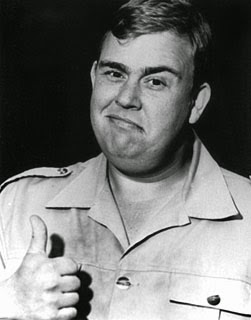
Tracey Morgan has a story to tell. It’s the story of a Canadian actor who became one of the most recognized, and best loved comedy stars ever to appear on the silver screen. In classics, ranging from The Blues Brothers to Cool Runnings, his performances are studies in subtly on an epic scale. John Candy (1950-1994) was a man liked and admired by everyone who knew him. And there’s the problem.

Was John Candy too nice a guy for modern publishing? Who on Earth would want to read a life entirely devoid of lurid scandals, debauched episodes, half-remembered highs and all-too-public lows? Here Tracey talks with Dan Lentell about the possibilities and pitfalls of self-publishing, as well as about the larger-than-life artist whose life she is rendering into print.

You can follow Tracey’s progress, and read fresh insights into the man and his legend, through her blog www.searchingforcandy.com & information on how to participate in crowd funding the book here.


What is your first memory of John Candy? Was it love at first sight?

My big brother was a huge influence on me and when we were younger, he was obsessed with various films, one of them being Brewster’s Millions, he used to watch that a lot and in turn so did I. Shortly after that I also saw Splash which I became obsessed with. Two very different characters in the films played by John, but both have that very human and funny element. I was always drawn to him, so yes I would say love at first sight.

What was Candy’s big break, the project or moment that made people sit up and take notice?

Well people started taking notice of him when the Second City Toronto troupe he was part of started their own TV show SCTV. Set up to rival Saturday Night Live (Second City were worried SNL would poach their talent) the show was huge in Canada and also started to get a US following.

However, I think the world took note when he played Dewey Oxberger (Ox) in Stripes, all of a sudden John was a movie star. His old agent Catherine McCartney told me John went incognito to a showing of Stripes in Toronto to see people’s reactions. He sat at the back of the cinema with Catherine and when Ox walked on screen for the first time the auditorium erupted! John was so touched he started to cry and had to leave. From then on in everyone knew who he was.

When did you decide to write his life, and was there a particular epiphany that determined you to do it?

About four years ago I was recovering from an awful bout of depression and I started revisiting things from my childhood that made me happy. One of those things were John Candy movies, there is something about Irv Blitzer, Uncle Buck, Gus Polinski, Del Griffith, Freddie Bauer, those characters that John played always made me feel like I could do anything and that it was OK to be yourself as long as you have a good heart.

So when I wanted to find out more about John I was shocked there wasn’t more about his life, the only real biography about him was written quite soon after his death and I think for some it was just too soon to talk about John, they were still grieving. The author had also decided to paint a darker side to John that I just couldn’t believe existed, so I thought I better do the research myself. They always say if you can’t find the book you want to read on the shelf, write it. Also if I am being honest, I felt like I had a calling from JC himself – just not the JC most people expect!

Have you had much contact with those who knew and worked with him? What has been their response to the project?

I have been very lucky to interview over sixty people that worked or were friends with John. Some have taken longer to trust me than others but the general response is that they are glad I am writing the book, after they have spoken to me they know that I am doing it for the right reasons. One thing I can tell you is that everyone loved John, they all have so many stories and memories of him, he was generous and big hearted and almost magical. Those that have contributed include Mel Brooks, Carl Reiner, Mariel Hemmingway, Kevin Pollak, Lonette McKee, Jay Underwood, Dave Thomas as well as many others.

There are a couple of other biographies out there, what’s going to be special about Searching for Candy?

Well for one Searching for Candy isn’t being written for money, just total love. The fact it is written from a fan’s perspective and that I have interviewed people who have not been in previous biographies will make it very different. But there is only one other biography written. Apart from that there is a fake Wikipedia article book that someone has fudged together, I don’t think anyone can class that as a work of passion.

Candy appeared in several classics, but he didn’t posses the midas touch. Did he do more than his fair share of dud flicks, or is it that he just didn’t live long enough to unassailably embellish his filmography?

John worked hard, very hard. He always thought he was going to die young so he wanted to bank role money to ensure his family were taken care of. He was also very bad at saying no and would always help people out if he could even if it wasn’t to his own advantage. In his career he was in over forty films, some that completely bombed, but every picture he did he always made the film better than it would have been without him and surely that is all any actor can hope for?

Could Candy have ever made a straight or serious role his own?

Yes, he was a brilliant dramatic actor. Just watch him playing Dean Andrews in JFK, John got to be the bad guy for a change and if you watch real life footage of Andrews you will see just what a brilliant job he did. There are also moments of true beauty in Planes, Trains and Automobiles where he will melt your heart.

How will your biography balance exploration of Candy’s professional and private lives?

Well I think his professional and private life were very intertwined. The interviews I have done dictate the balance and as many of his colleagues were also close friends it is hard to distinguish what falls into which category. He lived to work, and he lived for his family.

You’re crowd funding the project. What are the benefits and downsides?

Well the benefits so far are that I have been in contact with people like you, who have learnt about the project and have helped me promote it. I have had so many messages of support, people pledging and sharing the project and I would like to thank everyone who has contributed. If I raise the money I get to self-publish and make the book exactly as I want it to be.

The downside is that I am having sleepless nights worrying about not hitting the target! If I don’t hit the target I will find a plan B. Sometimes I think you just have to be brave, it doesn’t always work out but maybe that is because there is a better plan you have not come across yet.

What are the movies, made since 1994, that made you think, “Gosh! I wish he’d been available for that.”?

Good question! Very difficult to answer really, I think there are many roles he would have been fantastic at. I am not sure I want to say what they are, and I am not sure John would want me to, purely because he would hate me to disrespect any other actor. I think if John was still around he would have found more dramatic roles and taken on more projects as a Director. One thing for sure is his legacy still makes us laugh today.


You can follow Tracey’s progress, and read fresh insights into the man and his legend, through her blog www.searchingforcandy.com & information on how to participate in crowd funding the book here.

Guy Masterson – Muse of Fire – What’s wrong with not-live live theatre? Plenty!

Guy Line


“He said the risk of putting on ‘live’ live theatre was, frankly, too great.”

A theatre manager friend told me the other night that he was really proud that he’d sold 300 seats for the RSC’s ‘live’ broadcast of Love’s Labour’s Lost. “Live theatre is not dead!” he proclaimed.

He then went on to tell me that because of this new phenomenon he did not have to book live theatre into his theatre anymore. The risk of putting on ‘live’ live theatre was, frankly, too great. He could no longer really afford or justify the sums involved, including the cost of performance fees; the cost of marketing; the cost of tying up the theatre (which could otherwise be used for cinema three times on the same day) etc.

On the other hand, with this system, my theatre manager friend could satisfy his local discerning theatre audience AND make money both on ticket sales as well as bar & food sales. A win-win situation. Unequivocally prudent thinking from a man responsible for spending council money wisely…

But let’s examine the question more deeply. What does this actually mean for REAL live, live theatre? For real life actors (such as myself) who travel around the country putting on real live performances in such theatres?

With the advances in broadcast quality streaming of live performances, flagship companies such as the RSC, RNT and RNB etc, can now broadcast live performances directly from their theatres into thousands of theatres, not just domestically but GLOBALLY.

Typically, I’ve been advised, the fees that participating theatres pay is 50% of the take against a guarantee – whichever is greater. Out of that take, we presume, the facilitating broadcasting company/distributor will make a deduction (let’s frugally guesstimate 20%). Let’s also assume (generously) that the remaining balance goes to the theatre.

For the sake of argument – the actual figures don’t matter too much here – let’s imagine that with Love’s Labour’s Lost 300 seats were sold at £15 a ticket. So the theatre box office took £4.5k. After tax, the overall take was about £3750 of which about £1500 would go to The RSC. Now lets just say that 1000 theatres booked this performance globally (a conservative estimate) and each sold 300 seats for much the same price – you already have £1.5m new income for a single theatre performance!

One could assume that the average take in a bigger theatre would be much much greater and respectively for smaller theatres. Let’s also remember that this new income would be heading to an already (massively) publicly subsidized company.

Now let’s say that Mr Average Live Theatre Lover has only £50 a month to spend on theatre – down from c.£100 since the recession – he’s just blown 60% of his available monthly theatre budget watching the RSC’s live broadcast instead of paying to see an actual live performance using live actors in his local theatre. Given that he now only has £20 left in his budget to spend, his overall annual spend on proper live theatre has been slashed by 60%.

BUT what happens to that £1.5M of new income going to the RSC? Does it reduce the subsidy to the RSC? Does it mean the Arts Council could (in theory) redistribute their funding? Do the creatives involved in that production make any extra money? Are there royalties involved and are they commensurate with the new income generated? This bears some scrutiny, methinks.

If the RSC was NOT subsidised AND was using this as a new source of funding, more power to them! After all people actually want to see their work, and don’t all producers want to find new outlets and reach more punters? Plus theatre lovers can see the RSC semi-live in a proper theatre for about half price without having to travel to Stratford or London. Great right?

My question is… “Is this not (actually) doing more damage to live arts (not just live theatre) than we realise?”

My question is… “is this not (actually) doing more damage to live arts (not just live theatre) than we realise?” If theatre managers all over the country – or even the world in this case – are replacing LIVE programming with pseudo live programming, doesn’t this just slash the number of outlets for live programming?

And, at worst, is this not contributing to a concentration of wealth into elite national companies? And if this really works for the RSC, surely Cameron and Co. will eventually use it as an excuse to slash Arts budgets further?

Of course I can see the positives of reaching a wider audience, but I am one of those that make my living at the sharp end of the touring theatre wedge and can feel the knife cutting the bottom out of my wallet.


ABOUT GUY:

Guy Masterson is an actor, director, producer & writer. Over 21 consecutive seasons his theatre company, Theatre Tours International, has become the most highly awarded and nominated independent theatre producer at the Fringe. The company’s string of hits includes the record setting 2003 production of 12 Angry Men – famously starring 12 stand-up comedians.

Guy originated the West End hit production of One Flew Over The Cuckoo’s Nest (starring Christian Slater and Mckenzie Crook) in 2004. In 2005 he directed Edinburgh’s highest grossing show of all time, The Odd Couple, starring Bill Bailey and Alan Davies. His 2009 production of Morecambe transferred to the West End and won the Olivier Award for Best Entertainment in 2010.

Most recently, he directed an epic 30 actor production of Animal Farm with the Tumanishvili Film Actors Theatre Company of Tbilisi (Georgia) which won The Stage Best Ensemble Award at Edinburgh 2014.

THIS FEATURE HAS NOT BEEN SUBEDITED